
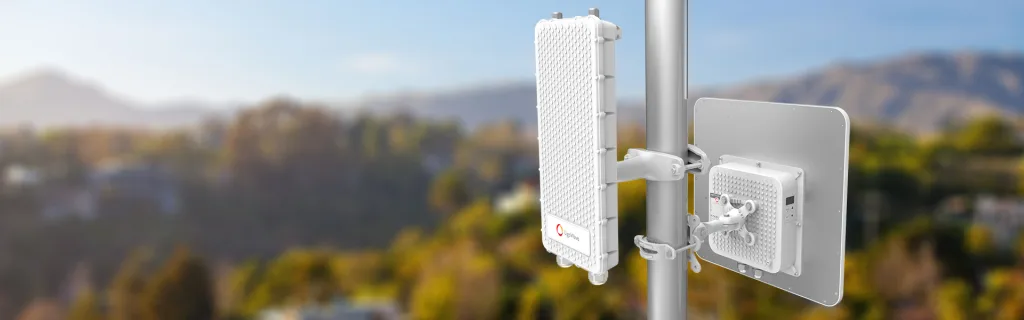
What is the worst way to install an outdoor Access Point? 10 Ideas!
An outdoor access point is a device that enables wireless connectivity in outdoor areas. It can be configured to provide wireless access to clients in remote areas or to extend the coverage of an existing Wi-Fi network outdoors. An outdoor access point is typically weatherproof and designed to resist harsh elements such as rain, wind, and extreme temperatures. It usually comes with built-in antennas that are optimized for long-range coverage and can operate on different frequencies, including 2.4GHz and 5GHz. The main advantage of an outdoor access point is that it enables people to stay connected while working or relaxing outside. It is a great solution for businesses, public areas, and homes with large yards or gardens. An outdoor access point can also be used for security purposes, such as monitoring outdoor cameras or controlling access to a network from outside the premises.
What is the worst way to install an outdoor Access Point? 10 Ideas!
An outdoor access point is a wireless access point that is designed to provide network connectivity in an outdoor environment. It is typically mounted on the outside of a building or on a pole, and is used to extend the range of a wireless network or to provide coverage in an outdoor area. Outdoor access points are often used in public spaces such as parks, stadiums, and shopping centers, as well as in industrial settings such as warehouses and manufacturing facilities. They are designed to withstand harsh weather conditions and are typically built with ruggedized enclosures that protect them from the elements. Outdoor access points can be used to enhance the performance, reliability, and security of a wireless network, and are an essential component of many modern wireless networks.
1. Not checking the weather forecast:
Outdoor access points are ideal for businesses, schools, parks, and other public spaces where there is a need for network coverage outside the building. They are typically weather-resistant and can operate at a wide range of temperatures, making them ideal for harsh environments. Some outdoor access points have advanced features such as mesh networking and beamforming technology, which can help improve coverage and performance in large outdoor spaces. Overall, an outdoor access point is a valuable tool for any organization looking to expand their network coverage to outdoor areas.
2. Failing to conduct a site survey:
Outdoor access points are commonly used in public places, such as parks, stadiums, and outdoor venues, as well as in industrial settings where communication is required in outdoor areas. With an outdoor access point, users can stay connected to the network even when they are away from the office. It is essential to choose an outdoor access point that is weather-resistant, durable, and can function efficiently in different temperatures. Additionally, outdoor access points must have security features to ensure user privacy and prevent unauthorized access to the network.
3. Using the wrong mounting hardware:
An outdoor access point is a wireless device that enables access to a network in outdoor environments. It is designed to withstand the elements and provide reliable connectivity to users outside of buildings where traditional indoor wireless access points might not suffice. Outdoor access points are commonly used in public areas such as parks, stadiums, and outdoor event venues. They can be used to support Wi-Fi communication for a wide range of applications such as video streaming, surveillance, and online gaming. Since outdoor access points can be susceptible to damage from weather conditions, they are usually built to be rugged and resistant to environmental factors. Overall, an outdoor access point is a useful tool for extending wireless network coverage into outdoor areas and providing seamless connectivity to users.
4. Not securing the cables properly:
If you’re looking to extend your wireless network outdoors, an outdoor access point can provide you with reliable Wi-Fi connectivity. With a strong and robust signal, you can stay connected to the internet even when you’re outside. Outdoor access points are designed to withstand harsh weather conditions and are made from durable materials.
These access points are perfect for large outdoor areas such as backyards, gardens, and commercial spaces. They provide high-speed internet access for multiple devices, making it easy to stay connected on-the-go. Outdoor access points use the latest technology to deliver a seamless connectivity experience, allowing you to stream high-quality videos, browse the web, and work remotely without interruption.
Overall, an outdoor access point is a great investment for anyone who needs reliable and secure Wi-Fi connectivity outside the walls of their home or office.
5. Installing the access point too high or too low:
An outdoor access point typically has a greater range and signal strength than an indoor access point and is designed to withstand harsh weather conditions.
The main benefit of an outdoor access point is its ability to extend the coverage of a wireless network beyond the walls of a building, making it ideal for businesses and organizations that require seamless connectivity across outdoor spaces. It is also a popular choice for public Wi-Fi initiatives, such as citywide Wi-Fi networks and free Wi-Fi at parks and beaches. With an outdoor access point, users can connect to the internet and use their mobile devices without interruption while enjoying the great outdoors.
6. Not considering power requirements:
With an outdoor access point, people can stay connected to the Internet and access information while enjoying the fresh air and outdoor environment. Outdoor access points are designed to withstand harsh outdoor conditions like rain, wind, and extreme temperatures. They also come with high-quality antennas to provide coverage in large outdoor areas and multiple Ethernet ports for connecting multiple devices. These access points are becoming increasingly popular in outdoor events like music festivals and sporting events, where people need reliable and high-speed Internet connectivity.
7. Not considering the range of the access point:
Outdoor access points are typically waterproof and weather-resistant, and they can withstand extreme temperatures, making them ideal for outdoor use. Outdoor access points can also support a wide range of functionalities, including multiple SSIDs, VLANs, seamless roaming, and more. With the increasing demand for outdoor connectivity, deploying an outdoor access point can help ensure that users can stay connected and productive while on-the-go, whether they are navigating a complex campus or enjoying a picnic in the park.
8. Not accounting for interference:
Outdoor access points are commonly used in cities and towns to provide Wi-Fi access to members of the public and are also used in industrial sites and construction sites to provide wireless coverage to workers. Some access points can be mounted on poles or walls and come with advanced features such as beamforming and directional antennas for improved network coverage. As more people rely on wireless connectivity for work, school, and leisure, outdoor access points will become increasingly important in bridging the digital divide and providing high-quality internet access to all.
9. Not using the correct security settings:
Outdoor access points are an ideal solution for organizations that require wireless coverage in areas such as parking lots, building exteriors, and outdoor yards. Outdoor access points are designed to withstand harsh weather conditions and have a higher power output than indoor access points, which allows for better signal strength and range.
When choosing an outdoor access point, it’s important to consider factors such as the number of clients that will be connecting, the coverage area needed, and the network’s security requirements. Organizations should also ensure that the access point is compatible with their existing networking infrastructure and that it is easy to manage and configure.
Overall, an outdoor access point is a valuable investment for any organization that wants to provide reliable and secure wireless connectivity to users outside their buildings.
10. Not testing the access point:
Outdoor access points typically have a longer range compared to indoor access points, allowing for a larger coverage area. This makes it easier for people to access the internet or other network services from anywhere outside the building. They are also highly secured and can be managed remotely.
In summary, an outdoor access point is a technology solution that provides wireless connectivity to devices outside the building. It offers a wider coverage area, is built to withstand harsh environmental conditions, and is highly secured.